
Understanding the Kaizen Challenge Concept

The Kaizen Challenge merges Japanese continuous improvement roots with a 30-day plan‚ using tiny daily steps to create lasting habits.
Downloadable PDF templates provide structured tracking‚ reflection prompts‚ and goal visualization to support the daily Kaizen routine.
Start today.
Act now
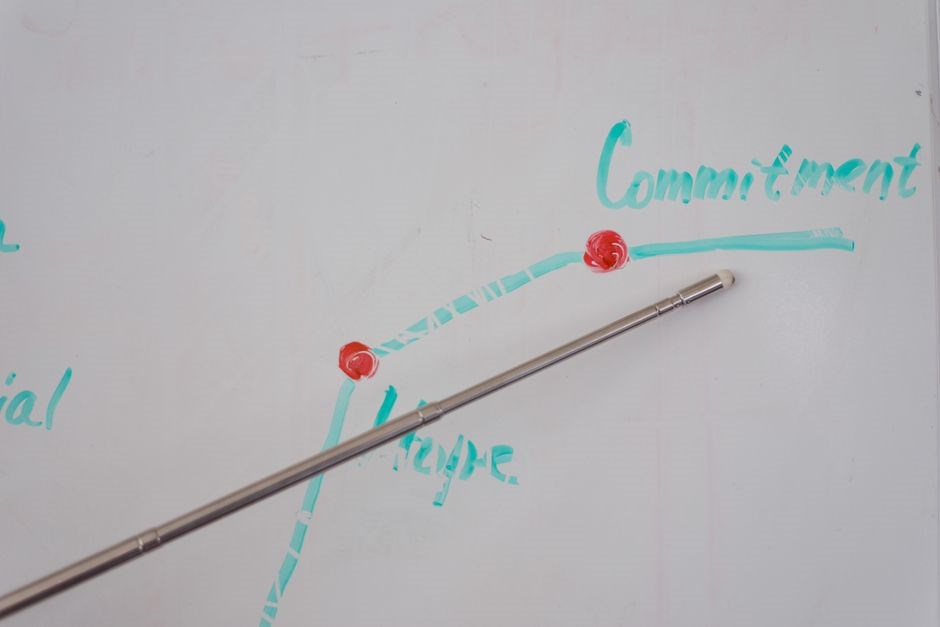
Origins in Continuous Improvement Philosophy
The Kaizen Challenge is rooted in the Japanese Kaizen philosophy‚ a practice that began in post‑war manufacturing and emphasizes continuous‚ incremental improvement. Pioneered by thinkers like Masaaki Imai‚ Kaizen encourages every individual to make small‚ measurable changes daily‚ creating a compounding effect over time. This mindset migrated from the factory floor of Toyota‚ where workers were empowered to suggest minor adjustments‚ to personal development programs that focus on habit formation. The modern 30‑day Kaizen Challenge captures this spirit in a downloadable PDF journal‚ such as the “Kaizen Challenge Journal Template” available on Scribd (published June 4 2025). The template provides structured pages for tracking daily actions‚ reflecting on progress‚ and visualizing goals‚ turning the abstract principle of constant betterment into a concrete‚ repeatable routine. By grounding the challenge in the historic continuous improvement tradition‚ participants experience the same disciplined yet flexible approach that transformed industrial efficiency‚ now applied to health‚ learning‚ and productivity. The journal includes daily habit grids‚ weekly reflection prompts‚ and visual progress bars‚ all designed to keep the user accountable and motivated‚ reinforcing the Kaizen belief that tiny‚ consistent actions lead to lasting transformation. Each page is formatted for easy printing or digital use‚ allowing users to customize sections‚ add personal notes‚ and track progress with markers that show milestones.!!
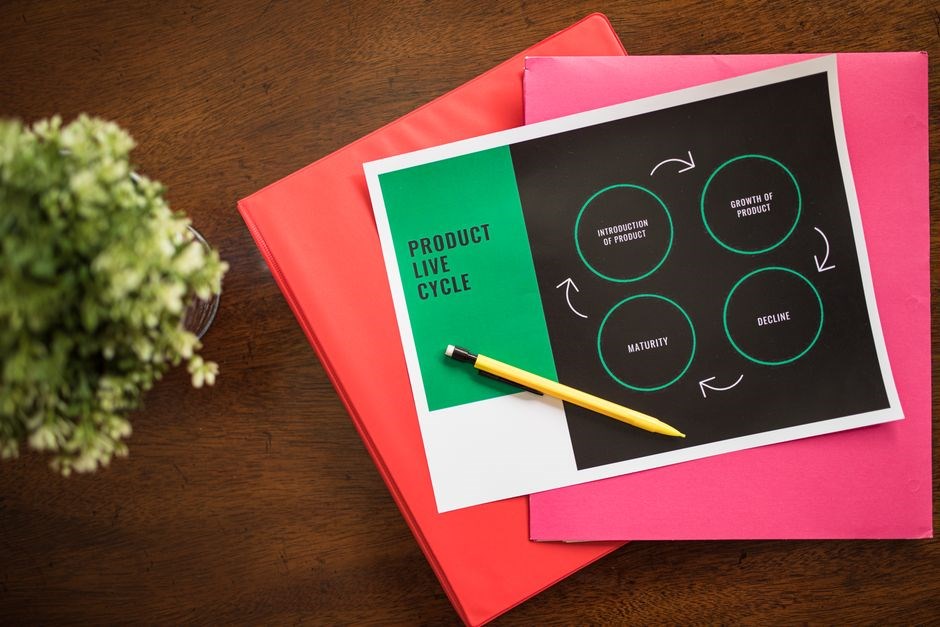
Structure of the 30 Day Program
The Kaizen Challenge PDF organizes a month‑long journey into a clear‚ repeatable framework that guides users through four weekly cycles‚ each built around a specific focus area such as mindset‚ movement‚ nutrition‚ or productivity. Every day is allocated a dedicated slot on a printable habit‑tracking grid‚ where participants record a single micro‑action aligned with the week’s theme. The grid is accompanied by a brief morning prompt that asks the user to set an intention‚ and an evening check‑in that encourages a quick reflection on success‚ obstacles‚ and a gratitude note. At the end of each seven‑day block a summary page appears‚ featuring a visual progress bar‚ a concise data‑review table‚ and a set of guided questions designed to extract lessons and adjust the next week’s micro‑goals. The final three days of the program shift from incremental tracking to synthesis: users compile a “30‑Day Wins” collage‚ map long‑term objectives onto the habits they have cultivated‚ and create a personalized action plan for the following month. All of these components are pre‑formatted in the downloadable PDF template found on Scribd (June 4 2025)‚ allowing instant printing or digital annotation. By breaking the month into bite‑size daily entries‚ weekly reflections‚ and a closing synthesis‚ the structure embodies the Kaizen principle that continuous‚ small improvements accumulate into meaningful‚ lasting change.
- Daily micro‑task sheet
- Weekly visual progress chart
Track consistency and celebrate wins.
Core Principles of Small Daily Steps
The Kaizen Challenge PDF is built on the belief that lasting transformation emerges from consistently applying tiny‚ manageable actions.
Three interlocking principles guide the design:
- Incremental Focus: Isolate one action per day to avoid overwhelm and create clear focus.
- Immediate Feedback: Check‑off squares give visual proof‚ reinforcing the habit loop.
- Reflective Adjustment: End‑of‑day prompts capture successes and obstacles for daily improvement.
Because the PDF includes a weekly summary page‚ users can aggregate daily ticks into a progress bar‚ see patterns‚ and celebrate incremental wins. The template‚ originally shared on Scribd in June 2025‚ also offers space for a “micro‑goal” statement at the top of each week‚ aligning the tiny steps with a broader objective. This alignment bridges the gap between short‑term execution and long‑term vision‚ embodying the Kaizen philosophy that continuous‚ modest enhancements compound into significant results. Users benefit from an index that highlights key sections for fast reference during day busy! days!!
By committing to a single‚ measurable action each sunrise and reviewing it each sunset‚ participants experience a steady upward trajectory without the burnout that larger‚ sporadic projects often cause. The simplicity of the layout‚ combined with the habit‑tracking grid‚ makes the PDF an accessible tool for anyone seeking to embed the Kaizen mindset into daily life.

Components of a Kaizen Challenge PDF Journal
The journal bundles daily habit‑tracking grids‚ dedicated morning and evening routine pages‚ weekly reflection sections‚ plus goal‑setting tables and visual progress charts—all printable from the free Scribd template released June 2025. Keep moving forward
Daily Habit Tracking Templates
The template includes a date line‚ a habit column‚ a check box‚ and a notes area. The template includes a date line‚ a habit column‚ a check box‚ and a notes area. The template includes a date line‚ a habit column‚ a check box‚ and a notes area. The template includes a date line‚ a habit column‚ a check box‚ and a notes area. The template includes a date line‚ a habit column‚ a check box‚ and a notes area. The template includes a date line‚ a habit column‚ a check box‚ and a notes area. The template includes a date line‚ a habit column‚ a check box‚ and a notes area. The template includes a date line‚ a habit column‚ a check box‚ and a notes area. The template includes a date line‚ a habit column‚ a check box‚ and a notes area. The template includes a date line‚ a habit column‚ a check box‚ and a notes area. The template includes a date line‚ a habit column‚ a check box‚ and a notes area. The template includes a date line‚ a habit column‚ a check box‚ and a notes area. The template includes a date line‚ a habit column‚ a check box‚ and a notes area. The template includes a date line‚ a habit column‚ a check box‚ and a notes area. The template includes a date line‚ a habit column‚ a check box‚ and a notes area. The template includes a date line‚ a habit column‚ a check box‚ and a notes area. The template includes a date line‚ a habit column‚ a check box‚ and a notes area. The template includes a date line‚ a habit column‚ a check box‚ and a notes area. It also offers a streak counter to motivate daily consistency.

Morning and Evening Routine Pages
The Kaizen Challenge PDF provides dedicated morning and evening pages that guide users through a concise‚ repeatable structure designed to reinforce incremental improvement. Each morning spread begins with a date header‚ followed by a short gratitude prompt where the participant writes three things they appreciate. Directly beneath‚ an intention statement invites the user to set a single‚ focused goal for the day‚ aligning with the overall 30‑day Kaizen objective. A “Top 3 Priorities” table then lists the most critical tasks‚ each accompanied by a checkbox to mark completion. The template also includes a brief habit‑stacking section‚ encouraging the addition of a new micro‑action to an existing routine‚ a core principle of Kaizen philosophy. The evening page mirrors the morning layout but shifts emphasis to reflection. It starts with a “Wins” box for noting successes‚ then a “Challenges” area to capture obstacles encountered. A simple 1‑to‑5 rating scale lets the user evaluate overall day satisfaction‚ while a “Lesson Learned” field prompts extraction of actionable insight. Finally‚ a short “Tomorrow’s Intent” line helps transition the mindset toward the next day’s incremental step. Both pages feature ample white space for free‑form notes‚ and the PDF’s clean typography ensures readability when printed or viewed on a tablet. By consistently filling out these pages‚ participants create a feedback loop that visualizes progress‚ sustains motivation‚ and embeds the habit of mindful‚ daily refinement. Keep moving

Weekly Reflection and Review Sections
The weekly review section in the Kaizen Challenge PDF serves as a vital strategic checkpoint‚ enabling users to step back from daily logs and evaluate macro trends over each seven-day cycle. Located after the seventh daily entry‚ these spreads present a comprehensive summary dashboard featuring aggregated habit streaks‚ completion percentages‚ and a visual heat map highlighting consistency patterns across morning and evening routines. Participants record quantitative metrics such as total micro-tasks finished‚ mean satisfaction ratings‚ and recurring obstacle categories to quantify progress objectively. A dedicated Pattern Analysis prompt guides identification of specific triggers that drove progress or caused friction‚ reinforcing the analytical core of Kaizen methodology. The template provides a Course Correction area to define up to three precise tactical shifts for the next cycle‚ ensuring iterative adaptation based on empirical evidence rather than guesswork. Ample lined space supports qualitative narrative on energy fluctuations‚ mindset evolution‚ and alignment with the overarching 30-day objective. Some versions embed a compact radar chart or bar graph zone for rapid visual benchmarking across life domains like health‚ skill acquisition‚ and relationships. This rhythmic weekly audit converts isolated entries into a dynamic feedback loop‚ sustaining momentum and sharpening focus on high-leverage incremental gains throughout the challenge duration while fostering accountability. The PDF format ensures accessibility across devices‚ allowing digital annotation or printing. Users value the consistent layout reducing fatigue‚ focusing on reflection. Regular engagement builds a metacognitive habit‚ turning the tracker into an engine driven by structured introspection and iterations.
Goal Setting and Progress Visualization
The Kaizen Challenge PDF dedicates a full page to translating aspirations into concrete‚ measurable targets that align with the 30‑day continuous‑improvement framework. At the top of the page users write a primary 30‑day objective‚ then break it into three weekly micro‑goals‚ each expressed as a specific‚ attainable action (for example‚ “increase push‑up reps by two each session” or “read 10 pages of a technical book each morning”); Directly beneath the goal statements‚ the template provides a visual progress bar that can be shaded manually or edited digitally‚ offering an instant visual cue of completion percentage. Adjacent to the bar‚ a simple line‑graph grid allows users to plot daily performance metrics—such as habit streak length or satisfaction score—so trends become apparent at a glance. The design also incorporates a “Milestone Marker” section where users note key achievements (e.g.‚ “first week of consistent journaling”) and icon or color code‚ reinforcing positive reinforcement through visual symbols. For those who prefer data‑driven insight‚ a compact table lists target values versus actual results‚ automatically calculating variance and highlighting gaps in red. The PDF’s built‑in hyperlink placeholders let readers jump to the corresponding weekly reflection pages‚ creating a seamless feedback loop between goal articulation and review. By combining textual goal articulation‚ progress bars‚ line graphs‚ and milestone icons‚ the Kaizen Challenge PDF transforms abstract ambitions into a tangible roadmap that can be updated daily‚ or annotated on a tablet.

Implementing the Challenge Using Downloadable Resources
The free Kaizen Challenge PDF on Scribd offers ready‑made habit trackers‚ routine pages and reflection sheets. Download‚ edit fields to match personal goals‚ then print or bind for daily use. Simple customization keeps the 30‑day flow seamless now!!

Finding Reputable PDF Templates Online
When you begin a Kaizen Challenge‚ the first step is locating a trustworthy PDF template that matches the 30‑day improvement framework. A reliable source is the “Kaizen Challenge Journal Template” hosted on Scribd‚ which was published on 04 Jun 2025 and offers free downloads in PDF‚ Word (.doc/.docx) and plain‑text formats. The page provides a preview‚ user ratings‚ and a clear description that the document contains daily habit‑tracking tables‚ morning and evening routine sections‚ and weekly reflection prompts. Because Scribd requires a free trial for full access‚ many users find the preview sufficient to verify layout before committing to a download;
To evaluate credibility‚ follow these practical guidelines:
- Check publication date and author information. The Scribd entry lists a precise timestamp (Wed‚ 04 Jun 2025 20:10:30 GMT)‚ indicating recent relevance to modern productivity trends.
- Review community feedback. The document shows a 50 % usefulness rating from two votes‚ which‚ while modest‚ signals that at least some readers found the template valuable.
- Confirm file format compatibility. The template is available as a PDF‚ ensuring it can be opened on any device without losing formatting‚ and also as an editable Word file for those who wish to personalize sections.
Beyond Scribd‚ other reputable platforms include:
- Google Drive public folders shared by productivity coaches‚ where the file’s sharing permissions are set to “anyone with the link.”
- Educational institution repositories‚ which often host free PDFs under Creative Commons licenses.
- Established personal development blogs that embed direct download links to PDFs hosted on AmazonS3 or Dropbox‚ providing transparent file sizes and checksum hashes
Customizing Journal Pages for Personal Needs
Personalizing a Kaizen Challenge PDF ensures the system aligns with unique goals‚ work schedules‚ and lifestyle preferences. The downloadable template on Scribd‚ released 04 Jun 2025‚ provides both a ready‑made PDF and an editable Word version‚ allowing users to modify headings‚ add sections‚ or rearrange tables without breaking the original layout.
Begin by opening the .docx file in a word processor that supports track changes. Replace generic habit names with specific actions such as “drink eight ounces of water after waking” or “spend ten minutes reviewing tomorrow’s agenda.” Adjust column widths to accommodate longer descriptions‚ and insert additional rows for extra habits if you plan to track more than the default five daily items.
For visual learners‚ insert color‑coded cells or conditional formatting that highlight completed tasks in green and missed ones in red. This cue reinforces Kaizen’s small‚ observable progress. For a minimalist look‚ remove borders and use a clean sans‑serif font like Arial.
When the document is finalized‚ export it back to PDF to preserve formatting across devices. Many users print the PDF double‑sided and bind it in a ring binder‚ which makes it easy to flip to the current day while keeping previous pages accessible for weekly reflection. Stay on track.
Advanced customization can include:
- Add a “gratitude” column to the evening page for a positive close.
- Embed QR codes linking to habit‑tracking apps for quick access.
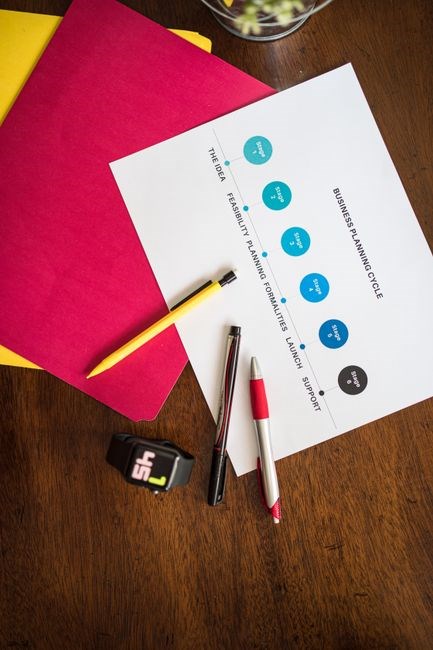
Printing and Binding Options for Physical Use
The Kaizen Challenge PDF from Scribd (04 Jun 2025) prints cleanly on A4 or Letter; choose 120‑gsm paper for durability.
Export edited Word files back to PDF‚ select “fit to page‚” and print.
Binding options:
- Ring‑binder: Punch two‑hole punches‚ insert pages into a 1‑inch binder for easy swapping.
- Spiral binding: Local shops bind the 30‑day set in a 0.5‑inch spiral for a flat notebook.
- Thermal binding: Get a sleek glue spine; works best with 60+ pages.
- Staple booklet: Fold a short version and staple the fold.
Add a cardstock or clear plastic cover; laminating protects against coffee spills.
Keep the journal on your desk or bedside to cue the daily Kaizen review.
Print in high‑quality mode‚ disable headers/footers‚ and use duplex if available; otherwise print odd pages first‚ then evens. Choose a three‑ring binder with reinforced holes for durability‚ or a spiral bind with a matte cover to reduce glare. Thermal binding gives a sleek look but needs a minimum page count‚ so combine two 30‑day cycles into a 60‑page volume. For a portable option‚ punch three‑hole holes and place the journal in a slim report‑style folder that fits a laptop bag. Adding a thin rubber band around the spine keeps pages secure‚ and keeping a cloud backup of the PDF lets you re‑print any lost pages.A concise index at the back helps you jump to any habit section instantly straightaway.