Trader Joe’s Pizza Dough: A Comprehensive Guide
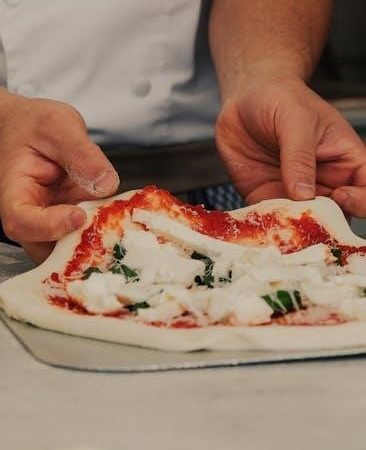
Trader Joe’s fresh pizza dough offers a convenient shortcut to homemade pizza‚ calzones‚ and breadsticks‚ eliminating extensive preparation time for a delightful meal.
Trader Joe’s refrigerated pizza dough has become a sensation‚ celebrated for its convenience and ability to deliver remarkably tasty results with minimal effort. This pre-made dough eliminates the time-consuming process of kneading and proofing‚ making homemade pizza accessible to everyone.
It’s a fantastic base for countless culinary creations‚ extending beyond traditional pizzas to include calzones‚ breadsticks‚ and even flatbreads. Online communities‚ like Reddit’s r/traderjoes‚ frequently share innovative recipes and techniques utilizing this versatile product. The ease of use‚ combined with Trader Joe’s commitment to quality ingredients‚ has solidified its place as a pantry staple for many home cooks seeking a quick and delicious meal solution.
Understanding the Dough Options
Trader Joe’s typically offers a single variety of fresh pizza dough‚ a classic Italian-style dough readily available in the refrigerated section. While variations aren’t common‚ the dough’s quality remains consistently high‚ providing a reliable base for your pizza endeavors.
The dough is sold in a convenient‚ pre-portioned package‚ designed for use in a standard sheet pan or for creating a larger‚ rectangular pizza. It’s important to note that this isn’t a pre-baked crust; it requires baking to achieve that perfect golden-brown texture. Understanding this foundational aspect is key to successfully utilizing Trader Joe’s pizza dough.
Essential Ingredients Beyond the Dough

Trader Joe’s excels in providing complementary ingredients to elevate your pizza experience. Beyond the dough‚ you’ll need sauce and cheese – Trader Joe’s offers a diverse selection of marinara sauces‚ ranging from traditional to spicy varieties. For mozzarella‚ choices include shredded‚ fresh mozzarella balls‚ or even pre-sliced options.
Crucially‚ keep all-purpose flour on hand; it’s essential for preventing the dough from becoming excessively sticky during handling and shaping. These core components‚ readily available within the store‚ ensure a seamless and flavorful pizza-making process‚ maximizing the convenience of using Trader Joe’s dough.
Trader Joe’s Marinara Sauce Varieties
Trader Joe’s boasts an impressive array of marinara sauces to complement their pizza dough. The standard Trader Joe’s Marinara sauce is a popular‚ reliable choice for a classic flavor profile. However‚ adventurous cooks can explore options like the Organic Marinara‚ offering a richer‚ more robust taste.
For those who prefer a kick‚ the Spicy Marinara provides a delightful heat. Furthermore‚ seasonal varieties often appear‚ introducing unique flavor combinations. Selecting the right sauce is crucial; it significantly impacts the final pizza’s overall taste‚ enhancing the convenience and quality of using Trader Joe’s ingredients.
Mozzarella Cheese Choices at Trader Joe’s
Trader Joe’s provides several mozzarella options to perfectly top pizzas made with their dough. The store carries pre-shredded mozzarella‚ offering convenience for quick weeknight meals. Fresh mozzarella balls‚ packed in water‚ deliver a superior‚ creamy texture and flavor for a more gourmet experience.
Low-moisture‚ part-skim mozzarella is also available‚ ideal for achieving a bubbly‚ golden-brown crust without excess moisture. Consider the desired texture and flavor when choosing; fresh mozzarella melts beautifully‚ while pre-shredded offers ease of use. Experimenting with different types elevates your Trader Joe’s pizza creation.
The Importance of Flour for Handling
Trader Joe’s pizza dough can be delightfully sticky‚ making flour an essential companion during preparation. Generously dusting your work surface and hands with flour prevents the dough from adhering‚ ensuring easy stretching and shaping. This simple step transforms a potentially frustrating experience into a smooth‚ enjoyable process.
White flour is specifically recommended to combat stickiness effectively. Don’t be afraid to use a liberal amount; it’s easily incorporated during kneading. Proper flouring allows for effortless transfer of the dough to your baking sheet or pan‚ guaranteeing a perfectly formed pizza base.
Basic Sheet Pan Pizza Instructions
Creating a simple sheet pan pizza with Trader Joe’s dough is remarkably easy. Begin by stretching the dough to fit your sheet pan‚ leaving a half-inch border for a delightful crust. Spread your preferred Trader Joe’s marinara sauce evenly over the dough‚ then generously sprinkle with mozzarella cheese.
Place the prepared sheet pan directly into a preheated oven. Bake for approximately 30 to 40 minutes‚ or until the crust is golden brown and the cheese is bubbly and melted. Allow a brief cooling period before slicing into squares and serving this effortless pizza.
Preheating the Oven & Preparing the Pan
Successful sheet pan pizza begins with proper oven preheating. Set your oven temperature to a consistent heat‚ generally around 375-400°F (190-200°C)‚ allowing ample time for it to fully reach the desired temperature. Simultaneously‚ prepare your sheet pan by lightly greasing it or lining it with parchment paper.
This prevents sticking and ensures easy removal of the finished pizza. A well-prepared pan and a fully preheated oven are crucial for achieving a crispy crust and evenly cooked toppings‚ setting the stage for a delicious homemade pizza experience.
Dough Placement & Crust Considerations
Carefully place the Trader Joe’s pizza dough onto the prepared sheet pan. Gently stretch or press the dough to fit the pan’s dimensions‚ leaving a slight border for the crust. For a thicker‚ more substantial crust‚ avoid stretching the dough too thin; Conversely‚ for a thinner crust‚ stretch it more fully‚ ensuring even distribution.
Many prefer leaving half the dough uncovered for a prominent crust. Remember‚ the dough will spread during baking‚ so avoid overstretching initially. Proper dough placement and crust consideration are vital for achieving your desired pizza style.
Baking Time & Temperature Guidelines
Generally‚ preheat your oven to a temperature between 375°F and 400°F (190°C — 204°C) for optimal baking. Place the prepared sheet pan pizza into the preheated oven and bake for approximately 30 to 40 minutes. Monitor the pizza closely‚ as baking times can vary depending on your oven and desired crust crispness.
The sides of the crust should turn a medium golden-brown color. Once baked‚ remove the pan and allow it to cool for a minute or two before slicing and serving. Adjust baking time based on toppings and crust preference.
Creating a Calzone with Trader Joe’s Dough
Trader Joe’s pizza dough is remarkably versatile‚ extending beyond traditional pizzas to delicious calzones. Begin by filling one half of the stretched dough with a generous layer of ricotta cheese‚ complemented by flavorful vegetable fillings like spinach and mushrooms. Enhance the flavor profile with fresh garlic and thyme‚ readily available at Trader Joe’s.
Carefully fold the dough over the filling‚ crimping the edges tightly to seal. Brush the top with olive oil and bake until golden brown‚ creating a satisfying and portable meal.
Ricotta Cheese & Vegetable Fillings
Trader Joe’s ricotta cheese forms the creamy foundation of a fantastic calzone filling. Pair it with a medley of vegetables for a flavorful experience; frozen spinach and sliced mushrooms are excellent choices‚ both conveniently available at Trader Joe’s. Fresh garlic and thyme elevate the taste‚ adding aromatic depth to the filling.
Consider sautéing the spinach and mushrooms beforehand to release excess moisture‚ preventing a soggy calzone. A generous portion of ricotta‚ combined with these vegetables‚ creates a satisfying and delicious center for your homemade creation.
Garlic‚ Spinach & Mushroom Combinations
Trader Joe’s offers fresh garlic‚ spinach‚ and mushrooms – a classic trio for a flavorful calzone filling. Sautéing these ingredients beforehand is key; it concentrates their flavors and removes excess moisture‚ preventing a soggy result. Mince the garlic and cook until fragrant‚ then add the sliced mushrooms until browned.
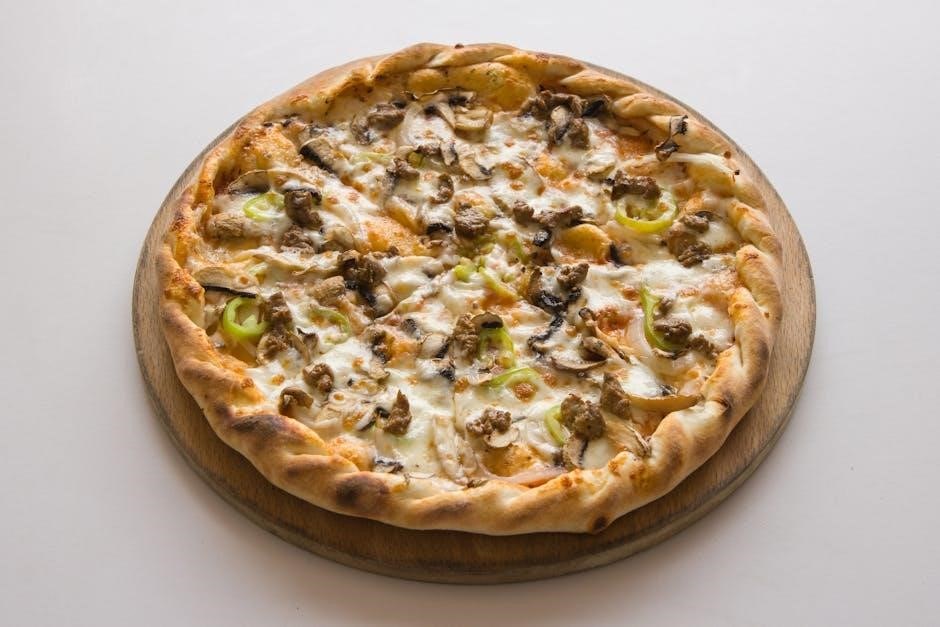
Finally‚ wilt the spinach. This combination provides an earthy‚ savory base that complements the creamy ricotta cheese beautifully. Don’t hesitate to season generously with salt‚ pepper‚ and a sprinkle of red pepper flakes for a little heat!
Sealing & Baking the Calzone
To seal the calzone‚ carefully fold the dough over the filling‚ creating a half-moon shape. Crimp the edges tightly with a fork to prevent any leakage during baking. A good seal is crucial for a satisfying‚ non-messy experience! Brush the top with a little olive oil or an egg wash for a golden-brown finish.
Bake in a preheated oven‚ typically around 375-400°F (190-200°C)‚ for 20-25 minutes‚ or until the crust is golden and the filling is heated through. Let it cool slightly before slicing and enjoying this delightful Trader Joe’s creation!
Tips for Working with the Dough
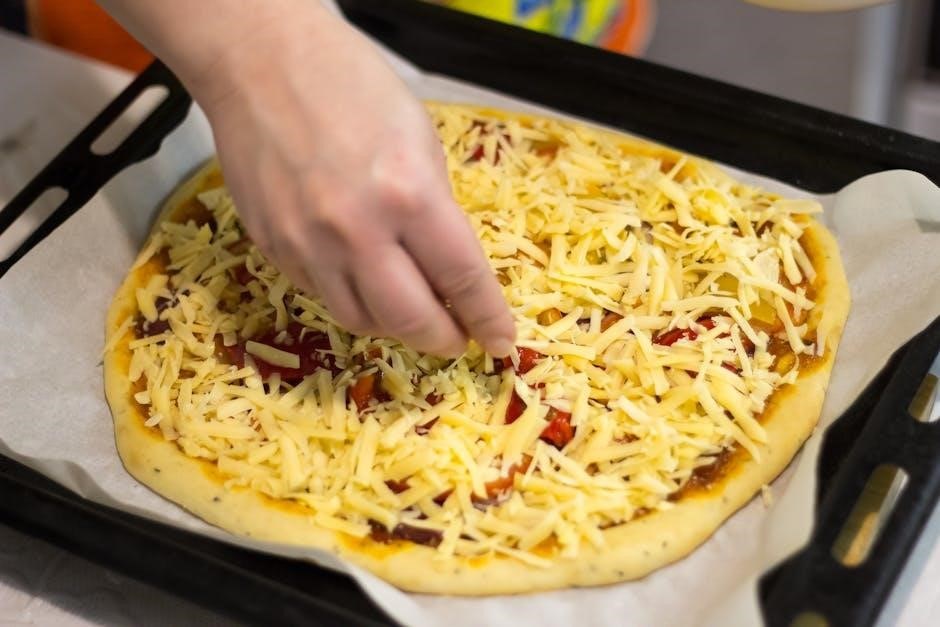
Trader Joe’s pizza dough can be a bit sticky‚ so generously flour your work surface to prevent it from adhering. Don’t be afraid to use plenty! For desired thickness‚ gently stretch or roll the dough‚ avoiding excessive pressure that can make it tough. Allowing the dough to rest for 10-15 minutes after removing it from the refrigerator makes it more pliable and easier to work with.
Remember‚ patience is key! A rested dough stretches beautifully‚ resulting in a light and airy crust. Consistent flouring throughout the process ensures a smooth and enjoyable experience.
Preventing Stickiness with Flour
Trader Joe’s pizza dough’s stickiness is a common concern‚ but easily managed with ample flour. Generously dust your work surface – a clean countertop or pastry board – with white flour before placing the dough. Continuously flour your hands and the rolling pin as you stretch or roll‚ preventing adhesion. Don’t hesitate to add more flour as needed; it’s better to have too much than too little.
This creates a barrier‚ allowing for effortless handling and shaping. Remember‚ a well-floured surface is your best defense against a frustrating‚ sticky situation!
Achieving the Desired Crust Thickness
Trader Joe’s pizza dough is versatile‚ allowing for thin or thick crusts. For a thinner crust‚ gently stretch the dough with your hands‚ working from the center outwards‚ or use a rolling pin with light pressure. A thicker crust requires minimal rolling; simply press the dough into your pan‚ allowing the edges to puff up during baking.
Consider the pan size – a larger pan yields a thinner crust‚ while a smaller one results in a thicker base. Experiment to find your perfect thickness!
Allowing the Dough to Rest
Allowing the Trader Joe’s pizza dough to rest is crucial for optimal handling and a superior crust. After removing the dough from its container‚ let it sit at room temperature for at least 30 minutes‚ and up to an hour. This relaxes the gluten‚ making it easier to stretch and shape without snapping back.
Resting also contributes to a lighter‚ airier texture. If the dough feels too resistant‚ cover it loosely and allow it to rest for a further 10-15 minutes before continuing.
Variations & Topping Ideas
Beyond classic toppings‚ Trader Joe’s dough is a canvas for culinary creativity! Explore diverse cheese combinations – provolone‚ parmesan‚ or a blend with mozzarella. Fresh herbs like thyme and basil elevate the flavor profile‚ while a sprinkle of red pepper flakes adds a pleasant kick.
Experiment with meats like pepperoni‚ sausage‚ or prosciutto‚ paired with roasted vegetables such as bell peppers‚ onions‚ and mushrooms. Don’t hesitate to try unique combinations; the possibilities are endless‚ limited only by your imagination and Trader Joe’s selection!
Exploring Different Cheese Combinations
Move beyond mozzarella! Trader Joe’s offers a fantastic array of cheeses to enhance your pizza. Consider a blend of mozzarella with provolone for a richer‚ slightly sharper flavor. Adding parmesan introduces a salty‚ umami note that complements various toppings beautifully.
For a creamy texture‚ incorporate ricotta‚ especially in calzone creations. Experiment with fontina for a nutty‚ mild taste‚ or even a sprinkle of gorgonzola for those who enjoy a bolder‚ pungent flavor. Don’t be afraid to mix and match to discover your perfect cheese blend!
Adding Fresh Herbs & Spices
Elevate your Trader Joe’s pizza with vibrant fresh herbs! Sprinkle chopped fresh basil‚ thyme‚ or oregano over the sauce before adding cheese for an aromatic boost. Red pepper flakes provide a delightful kick‚ while a dash of garlic powder enhances savory flavors.
Consider experimenting with Italian seasoning blends for convenience. Fresh rosemary pairs wonderfully with roasted vegetables and meats. Don’t underestimate the power of a simple sprinkle of black pepper post-bake; These additions transform a basic pizza into a gourmet experience!
Experimenting with Meats & Vegetables
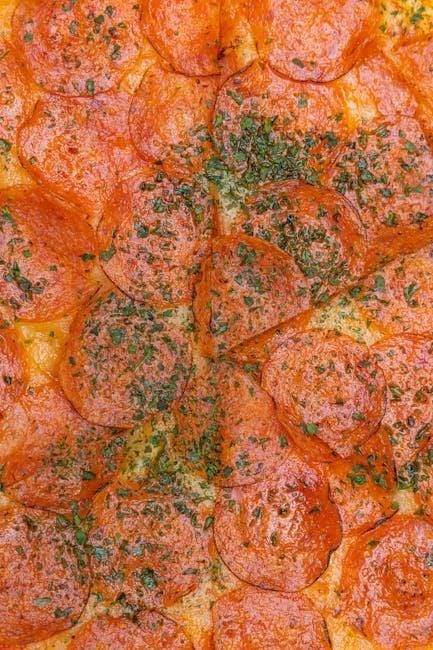
Trader Joe’s offers a fantastic array of toppings! Sliced pepperoni‚ Italian sausage‚ or prosciutto add savory depth. Roasted vegetables like mushrooms‚ spinach‚ and bell peppers create a flavorful base. Consider caramelized onions for sweetness or artichoke hearts for a tangy twist.
Don’t shy away from unique combinations – pineapple and jalapeños‚ or roasted butternut squash and sage. Pre-cooked chicken or steak also work well. Remember to pre-cook any meats that require it. Layer toppings strategically for even cooking and maximum flavor impact!
Troubleshooting Common Issues
If your dough isn’t rising‚ ensure it’s at room temperature and hasn’t expired. A slightly warm environment helps. Burning crust with uncooked toppings? Lower the oven temperature or move the pizza to a higher rack. Sticky dough is easily solved with generous flour dusting during handling and kneading.
Remember‚ Trader Joe’s dough is sensitive! Don’t overwork it. If it tears‚ gently patch it. Consistent oven temperature is key. A little practice and these tips will ensure pizza perfection every time!
Dough Not Rising Properly
If your Trader Joe’s pizza dough isn’t rising as expected‚ several factors could be at play. First‚ confirm the dough hasn’t surpassed its expiration date. Ensure it’s brought to room temperature‚ as cold dough struggles to activate. A slightly warmer environment can encourage rising‚ but avoid excessive heat.
Gentle handling is crucial; overworking can inhibit rise. If still unresponsive‚ a tiny pinch of sugar can provide a boost. Remember‚ this dough isn’t designed for a dramatic rise‚ so modest expansion is normal.
Crust Burning Before Toppings Cook
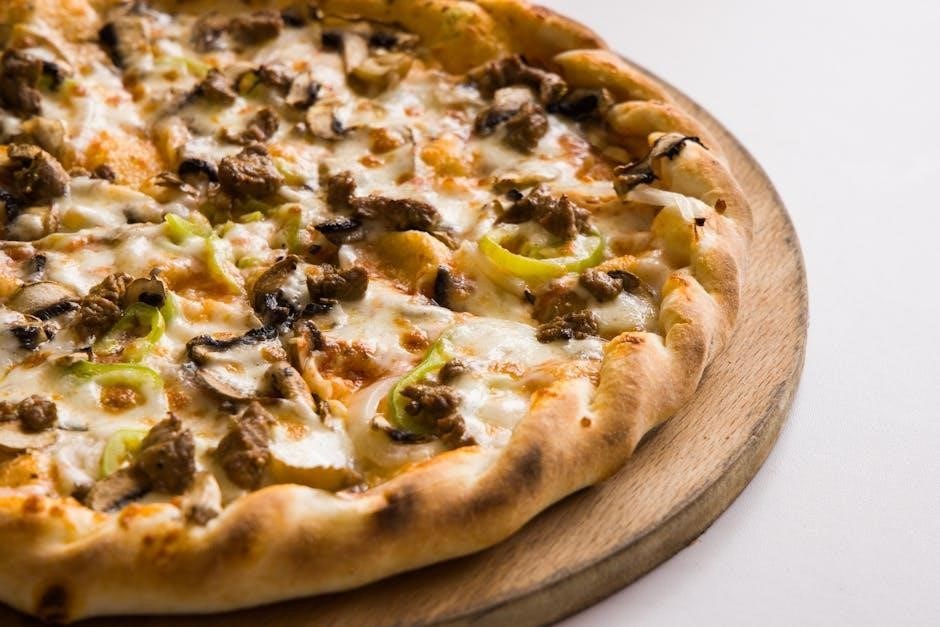
Encountering a burnt crust while toppings remain uncooked is a common issue with quick-baking pizzas. Lowering the oven temperature by 25 degrees Fahrenheit can help regulate the cooking process. Shielding the crust’s edges with aluminum foil during the latter half of baking prevents excessive browning.
Positioning the baking sheet on a higher rack initially‚ then lowering it‚ promotes even cooking. Pre-cooking vegetables with higher moisture content reduces overall bake time‚ ensuring everything finishes simultaneously. Monitor closely!
Sticky Dough – Solutions
Dealing with sticky Trader Joe’s pizza dough is easily remedied with ample flour. Generously dust your work surface and hands before handling. Avoid overworking the dough‚ as this develops gluten and increases stickiness. If it persists‚ lightly flour the dough itself during stretching and shaping.
A brief rest in the refrigerator can also firm up the dough‚ making it more manageable. Don’t be afraid to add more flour incrementally – a little goes a long way towards achieving a smooth‚ workable texture!
The Viral 9×13 Pan Pizza Method
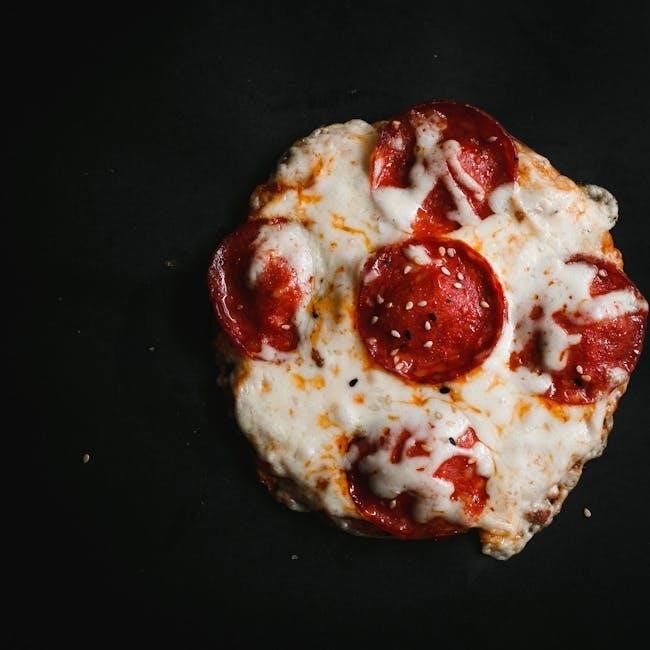
The popular 9×13 pan pizza utilizing Trader Joe’s dough is a simple‚ crowd-pleasing recipe. Stretch the dough to fit the pan‚ leaving a small border for a crust. Top with your favorite Trader Joe’s marinara and mozzarella.
Bake at 30-40 minutes‚ monitoring for a golden-brown crust. This method maximizes flavor and creates a substantial pizza perfect for sharing. Adjust baking time slightly based on your oven and desired crispness. Cutting into squares makes serving effortless!
Maximizing Flavor in a Large Pan
Utilizing a 9×13 inch pan allows for a generous pizza with ample topping space‚ enhancing the overall flavor experience. Don’t skimp on the sauce – a robust layer of Trader Joe’s marinara is key. Generously distribute mozzarella and your chosen toppings for balanced bites throughout.

Consider layering cheeses for complexity. Fresh herbs‚ like thyme‚ elevate the taste. The larger surface area allows for more ingredient combinations‚ creating a truly customized and flavorful pizza. Ensure even distribution for consistent enjoyment!
Adjusting Baking Time for Pan Size
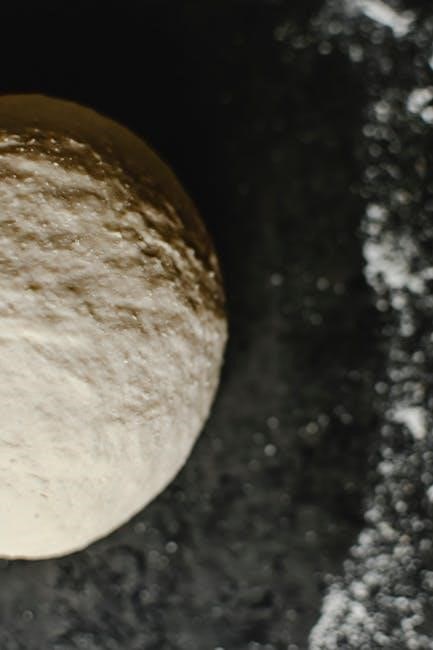
When using a 9×13 inch pan‚ a longer baking time is crucial for ensuring the dough is fully cooked and the crust achieves a desirable golden-brown color. Typically‚ baking will require 30-40 minutes‚ but closely monitor the crust’s appearance.
Begin checking for doneness around 30 minutes‚ and extend the baking time if needed. The sides should be medium brown‚ indicating sufficient heat penetration. Adjust oven temperature slightly if the toppings are browning too quickly before the crust is cooked through.
Serving & Cutting the Pizza

After baking‚ allow the Trader Joe’s sheet pan pizza to rest for a minute or two before cutting. This brief cooling period helps the cheese set slightly‚ preventing excessive stretching and ensuring cleaner slices. Use a pizza cutter or a large knife to create squares or rectangular portions.
Serve immediately for the best flavor and texture. The pizza is delicious on its own‚ but consider pairing it with a side salad or your favorite dipping sauce. Enjoy this easy and satisfying meal with family and friends!