
What Is a Printable Piano Keyboard PDF?
A printable piano keyboard PDF is a sheet that shows a full or partial keyboard layout, ready for printing․ It typically includes staff lines, key markings, and octave labels, allowing musicians to trace or practice without a physical instrument․ PDFs are portable, editable, and customizable for learning today!․
Definition and Format
A printable piano keyboard PDF is a digital file that visually represents the layout of a piano keyboard, including all keys from the lowest to the highest octave․ The format is typically vector‑based, ensuring that the image remains sharp at any zoom level or when printed on different paper sizes․ Key features include clear delineations of white and black keys, octave numbers, and optional staff lines for notation practice․ Because the file is in PDF format, it can be opened on virtually any operating system, printed directly, or imported into music‑notation software for further editing․ The design is often scalable, allowing users to adjust the size of the keyboard to fit a single sheet or multiple pages, depending on their learning or teaching needs․ Some PDFs also incorporate color coding or shading to help beginners distinguish between natural and accidental notes․ The file can be distributed or sold through online repositories, and many creators offer customizable templates that let users add their own markings or annotations before printing․ All files are PDF/A compliant․
Typical Features (e․g․, key markings, staff lines)
A printable piano keyboard PDF typically includes a full or partial keyboard layout with clearly defined white and black keys․ Each key is labeled with its note name (C, C♯/D♭, D, etc․) and octave number, allowing students to identify pitches at a glance․ The design often incorporates subtle shading or color coding to differentiate natural and accidental notes, aiding visual learning․ Staff lines may be overlaid or positioned adjacent to the keyboard, providing a reference for note placement and rhythmic notation․ Many PDFs also feature optional chord symbols, scale markers, or interval grids that can be printed on the same sheet․ The file is vector‑based, ensuring crisp lines and scalable resolution for both small handouts and large wall posters․ Users can adjust margins, add custom annotations, or embed their own music notation before printing․ The PDF format guarantees cross‑platform compatibility, making it accessible on Windows, macOS, Linux, and mobile devices․ Finally, most printable keyboard PDFs are available in PDF/A for long‑term archival and can be printed in color or black‑and‑white depending on the user’s preference․ The layout is also available in both portrait and landscape formats, catering to teaching and display preferences and practice․

Advantages of Using Printable Keyboard PDFs
Printable keyboard PDFs offer portability, instant access, and cost‑free practice tools․ They can be customized, printed in various sizes, and used offline․ Musicians can annotate, share, and store them digitally, making learning flexible and budget‑friendly․

Flexibility and Portability
Printable piano keyboard PDFs give musicians a versatile, on‑the‑go resource that blends the tactile familiarity of a physical sheet with the convenience of digital distribution․ Because the files are lightweight and universally compatible, they can be downloaded to a laptop, tablet, phone, or even a smart watch, then printed in a size that fits the user’s practice environment—from a pocket‑sized handout for a quick review to a full‑page poster that can be hung on a wall․ This flexibility eliminates the need for a dedicated instrument when traveling, allowing students to practice scales, arpeggios, or sight‑reading exercises anywhere, whether on a train, in a hotel room, or at a friend’s house․ The PDFs can be edited with simple vector or PDF editors, letting users add personal annotations, highlight specific keys, or adjust the octave range to match the instrument they are learning on․ Such customization reduces clutter and streamlines the learning process, as the user can keep a single, personalized sheet rather than multiple copies․ Portability is further enhanced by cloud storage options, email sharing, and USB transfer, ensuring that a backup is always available․ When a printed sheet is tucked into a pocket or carried in a small case, it becomes a portable practice partner that can be used during commutes, flights, or while waiting for an appointment․ The combination of digital convenience and the tactile experience of a printed sheet creates a versatile learning tool that adapts to any environment, whether the learner is a beginner practicing scales at home or a seasoned pianist rehearsing a complex piece in a rehearsal hall․ By leveraging the flexibility and portability of printable keyboard PDFs, musicians can maintain consistent practice habits, experiment with new techniques, and stay motivated without the constraints of a physical instrument’s availability and location․ This approach democratizes access to high‑quality practice resources, enabling learners worldwide to improve their skills with minimal investment and maximum convenience․ Moreover, the ability to print multiple copies in different configurations—such as a single‑handed layout for left‑hand practice or a reduced‑range keyboard for beginners—provides additional flexibility․ Users can also overlay the PDF onto a physical keyboard or use it as a reference while playing, which helps reinforce muscle memory and visual recognition of key patterns․ The portability of these PDFs means that even when a musician is away from their instrument, they can still engage in focused, structured practice sessions that reinforce theory and technique․ Additionally, because the files are easily shareable, teachers can distribute customized worksheets to students, track progress, and provide instant feedback without the logistical challenges of mailing physical materials․ This digital‑physical hybrid approach supports a wide range of learning styles and ensures that practice remains a consistent, accessible part of a musician’s routine, regardless of geographic or economic barriers․
Customization for Learning Goals
Printable piano keyboard PDFs empower learners to tailor practice tools to specific objectives․ By editing the vector layers, a student can highlight target keys, annotate accidentals, or shade octaves that require extra focus, turning a generic diagram into a personalized study aid․ Teachers can pre‑populate sheets with dynamic markings, tempo indications, or rhythmic patterns that align with a curriculum, allowing students to practice sight‑reading, fingering, or harmonic analysis in a single glance․ Advanced users can layer multiple PDFs—one for a full‑size layout, another for a reduced‑range version—to practice left‑hand or right‑hand techniques separately, then merge them for full‑instrument rehearsal․ Because the files are scalable, a beginner can enlarge the key symbols for better visibility, while an experienced pianist can shrink them to mimic a real instrument’s proportions․ Customization also extends to color coding: green for comfortable passages, red for challenging sections, and blue for rhythmic exercises, providing instant visual cues that reinforce learning goals․ Additionally, the ability to insert personal annotations, such as fingering numbers or tempo rubrics, turns the PDF into a dynamic rehearsal log that tracks progress over time․ This flexibility ensures that every practice session can be aligned with short‑term milestones—like mastering a scale or a chord progression—and long‑term objectives, such as mastering a concerto or developing a robust technique․ By leveraging these customizable features, students and educators can create a engaging learning environment that adapts to evolving skill levels!!

Common Types of Printable Keyboard PDFs
Printable keyboard PDFs come in several popular variants․ Full‑size layouts display all 88 keys, ideal for advanced study․ Reduced‑range sheets focus on 3‑4 octaves, perfect for beginners or specific repertoire․ Simplified diagrams omit ledger lines for early learners․ Each type serves distinct practice needs․!!
Full-Size Keyboard Layouts
Full‑size printable keyboard PDFs represent the complete 88‑key piano, from A0 to C8․ They are invaluable for advanced students, composers, and educators who need an accurate visual reference for every key, including the rare low‑end notes․ These layouts often feature octave labels, key color coding, and staff lines that align with standard notation, allowing users to trace melodies directly onto the keyboard diagram․ Many designers incorporate a horizontal ruler and gridlines to aid in sight‑reading and finger‑positioning drills․ Because the PDFs are vector‑based, they can be scaled to any size without loss of clarity, making them suitable for classroom posters, personal practice sheets, or digital overlays on tablets․ Some full‑size versions also include a “black‑key” highlight for accidentals, making it easier to identify sharps and flats at a glance․ When printed on high‑quality paper, the result is a durable, reusable tool that bridges the gap between paper music and the physical instrument․
These PDFs are often shared among educators, allowing for quick distribution of customized lesson plans․ By printing them on thick cardstock, students can use them as reference boards while practicing scales or arpeggios․ Some designers include a small legend explaining key colors and accidentals, further enhancing usability․ The versatility of printable keyboards makes them an essential resource for any music program․
Additionally, many PDFs include a key‑map legend indicating the position of each key to middle C, aiding spatial memory․
Simplified or Reduced-Range Keyboards

For novices, a reduced‑range keyboard PDF offers a streamlined 49‑key layout that mirrors the essential octave span of a full piano․ By omitting the lower and upper registers, these diagrams focus on the core 3‑octave region most commonly used in beginner repertoire․ The simplified design eliminates extraneous keys, making it easier to locate middle C, the natural notes, and the first set of accidentals․ Many educators use these PDFs to teach hand‑positioning, scale patterns, and basic sight‑reading without the cognitive overload of a full 88‑key diagram․ The reduced‑range format also supports portable practice tools; students can print a single sheet, fold it into a pocket‑sized reference, and carry it to lessons or rehearsals․ Some versions include a key‑color legend and a small staff overlay, allowing learners to map notation directly onto the keyboard․ Because the PDF is vector‑based, it scales cleanly to any size, ensuring that the key labels remain legible whether printed on a standard 8․5×11 inch sheet or a larger poster․ This versatility makes reduced‑range keyboards ideal for early‑stage learners, music teachers, and even performers who need a quick visual aid for a limited range of passages․ In practice, teachers often annotate these PDFs with color‑coded finger numbers, rhythmic patterns, and dynamic markings, turning a simple diagram into a comprehensive lesson plan that can be printed on a single sheet and reused for weeks, thereby saving time and resources while maintaining consistency across classes․ The sheets are ideal quick reference during rehearsals․

How to Create Your Own Printable Keyboard PDF
Create a printable keyboard PDF by first sketching the layout in vector software such as Inkscape or Adobe Illustrator․ Draw the key shapes, label octaves, and add staff lines․ Once finalized, export the file as PDF, ensuring high resolution for print․ Adjust margins for a clean, portable reference․ Enjoy! Now․
Using Vector Graphics Software
Vector graphics editors let you design a keyboard layout that remains crisp at any size․ Begin by creating a new document and setting the artboard to the desired paper dimensions (e․g․, A4 or letter)․ Use the rectangle tool to draw the white keys, then duplicate and offset them to form the full 88‑key range․ Black keys are shorter rectangles placed between white keys; use the pen tool to shape the curved edges․ Organize each key on its own layer or group so you can toggle visibility and edit individually․ Add octave numbers and note names below each key with the text tool, aligning them to the center․ Leverage the grid and snapping features to keep keys evenly spaced and aligned․ When finished, review the design at 100 % zoom to catch any misalignments․ Export the file to PDF by selecting “Save As” or “Export” and choosing PDF․ In the export dialog, enable “Preserve Illustrator Editing Capabilities” if you plan to tweak later, or choose “PDF/X‑4” for a print‑ready file․ Set the page size to match your paper, adjust bleed if needed, and ensure the PDF is set to “High Quality Print․” Finally, print a test page to verify that the key outlines, labels, and spacing look correct․ Because the PDF is vector‑based, you can enlarge or shrink the keyboard without losing clarity, making it ideal for hand‑out worksheets or wall posters․ Use this PDF as a flexible teaching aid, and adjust key sizes or colors to suit any curriculum!!!xxxxxxxxxxxxxxxxxxxxxxxxxxxxxxxxxxxxxxxxxxxxxxxxxxxxxxxxxxxxxxxxx
Exporting to PDF Format
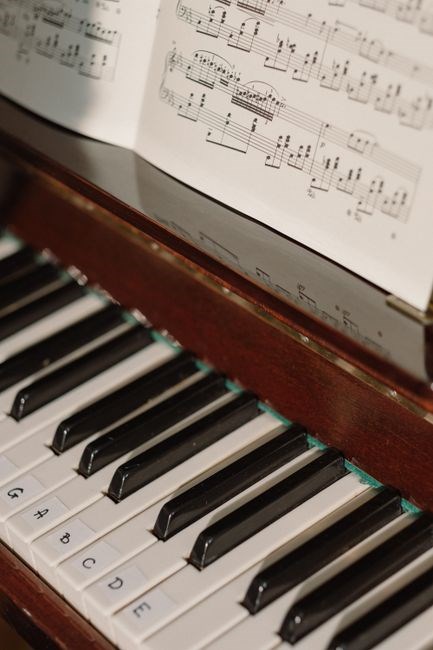
Once your keyboard layout is ready, exporting it to a PDF is the final step before printing or sharing․ In most vector editors, choose File → Export or File → Save As and select PDF as the target format․ The export dialog offers several presets—High Quality Print, PDF/X‑4, or PDF/A for archival․ Pick the one that matches your workflow․ If you need the file to be editable later, enable Preserve Illustrator Editing Capabilities; this embeds the original layers so you can tweak key positions or labels in Illustrator or InDesign․ For a lightweight file, turn on Compress Text and Line Art, and set Image Quality to Maximum only if you have raster elements; otherwise leave it at None to keep the file size small․ Specify the page size to match your intended paper (A4, Letter, etc․) and set bleed to 0․125 in if you want a full‑bleed border․ In the Marks and Bleeds section, uncheck Trim Marks unless a print shop requires them․ Under Output, choose Color and set Color Conversion to No Conversion if working in CMYK, or Convert to Destination for RGB workflows․ After clicking Save PDF, open the file in a PDF viewer to confirm that all key outlines, labels, and octave numbers appear crisp and that the page dimensions match your expectations․ A well‑configured PDF will print cleanly on any standard printer and can be shared electronically without loss of quality, making it an essential step in producing a reliable printable piano keyboard․ share․!!!

Downloading and Printing Ready-Made PDFs
Finding a ready‑made keyboard PDF is simple․ Search reputable sites that specialize in music education, such as MuseScore or 8notes, where users upload free or paid layouts․ Once downloaded, open the file, verify the resolution, and print on standard A4 or Letter paper․ Adjust margins if needed for a perfect fit․ Now

Reputable Online Repositories
When searching for printable piano keyboard PDFs, it’s wise to turn to well‑established, community‑trusted platforms that offer a mix of free and premium resources․ The most popular repositories include MuseScore, which hosts thousands of user‑generated scores and keyboard diagrams; 8notes, a long‑standing site that provides downloadable sheet music and simplified keyboard layouts; and the Piano Society, a niche forum where seasoned players share custom‑made PDFs․ For educators, the International Music Score Library Project (IMSLP) offers a vast archive of public domain scores that often contain full‑size keyboard images․ Additionally, the MusicNotes and Sheet Music Plus marketplaces provide high‑quality PDFs, though they typically require purchase․ Each of these sites has a distinct focus: MuseScore emphasizes collaborative editing, 8notes focuses on beginner‑friendly arrangements, the Piano Society caters to advanced, IMSLP supplies historical works, and commercial vendors prioritize polished․ By exploring these repositories, you can find a keyboard PDF that matches your skill level, learning objectives, and preferred visual style, ensuring a reliable and versatile practice companion․ When using these repositories, always check the license terms; many PDFs are free for personal use but require attribution․ If a PDF looks blurry, it’s likely raster; find a higher‑resolution or vector version for better print quality․ Many PDFs are vector‑based, so you can zoom in without losing clarity, ideal for large prints or tablet screens․ Keep a backup of the original PDF in cloud storage so you can re‑print or modify it later without re‑downloading․ Enjoy! 🙂